CRA Empowers “Peach Power” to Fight Uterine Cancer in Thailand
 0
0
 0
0
Urging Thai Women to Listen to Warning Signs for Early Detection and Better Treatment Outcomes, Elevating the “Uterine Cancer Center of Excellence” with Minimally Invasive Surgery and Precision Hysteroscopy
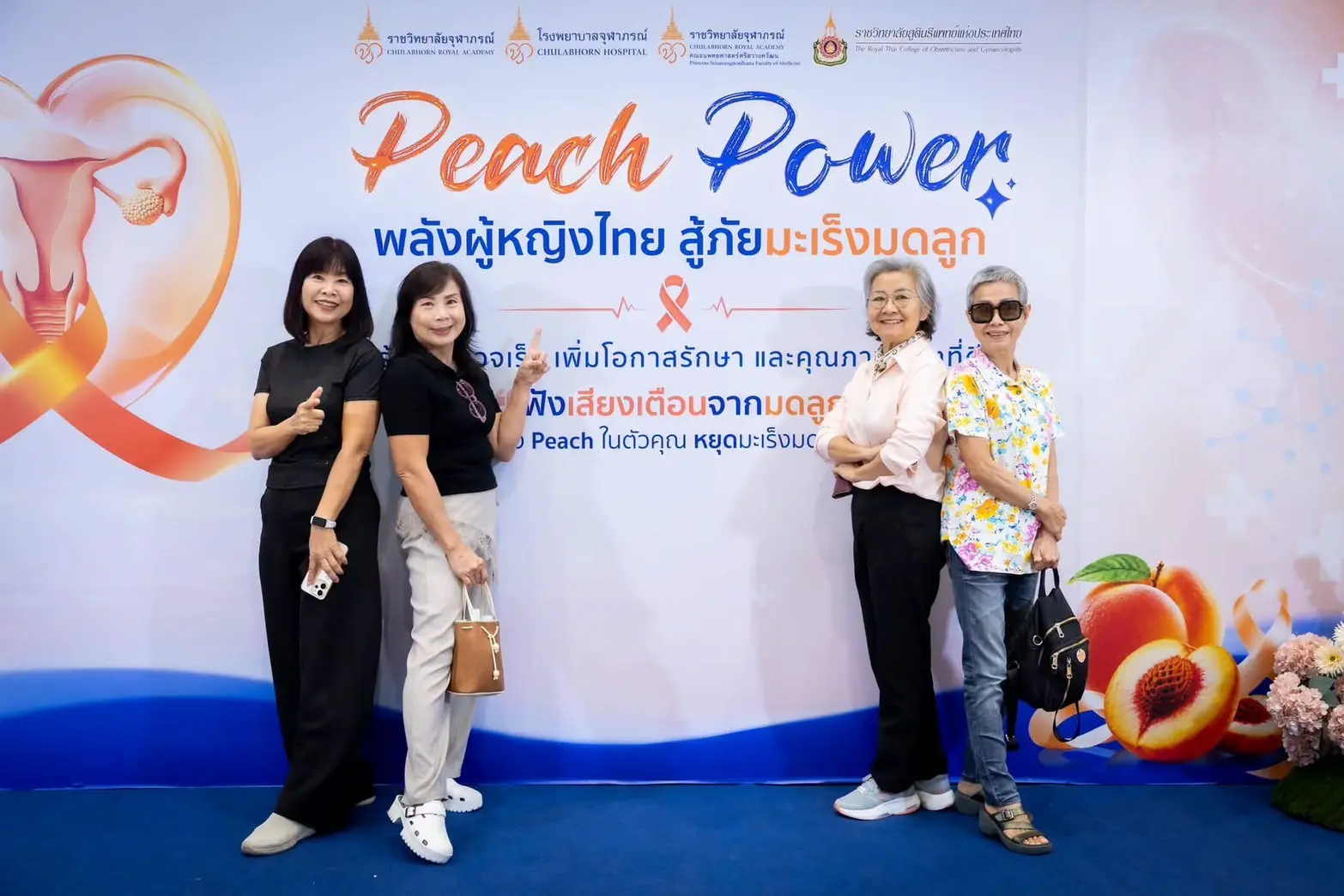
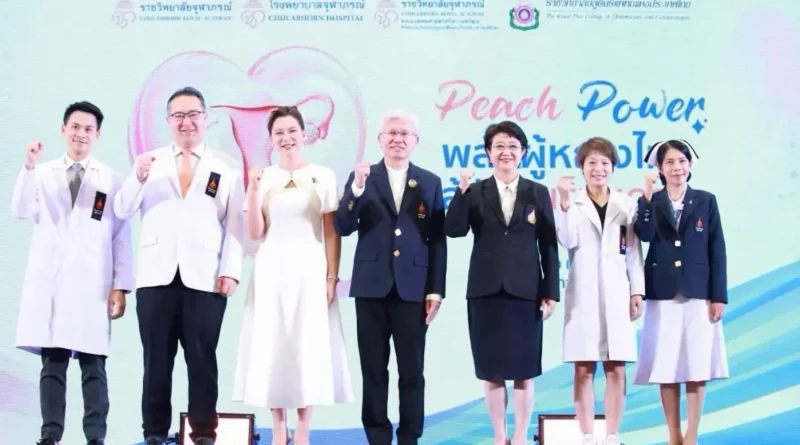
BANGKOK, August 11, 2026: Chulabhorn Royal Academy (CRA) welcomed Mother’s Month by launching a women’s health campaign introducing the “Peach Ribbon”—the international awareness symbol for uterine cancer—to Thailand. The initiative was unveiled during CRA’s annual 2026 Gynecological Health Service Event, themed “Peach Power: Thai Women’s Power Against Uterine Cancer,” organized in collaboration with the Royal Thai College of Obstetricians and Gynaecologists (RTCOG). The campaign aims to raise public awareness about uterine health, covering prevention, early warning signs, access to comprehensive diagnostic and treatment innovations, and sustainable nutrition modifications. The event was presided over by Assoc. Prof. Surasak Leelaudomlipi M.D., Acting Director of Chulabhorn Hospital, alongside Prof. Emeritus Sarikapan Wilailak M.D., President of the RTCOG, and a team of gynecologic oncologists and clinical nutritionists from Chulabhorn Hospital. The medical panel included Asst. Prof. Nuttavut Kantathavorn M.D., Head of Obstetrics and Gynecology, Gynecologic Oncologist and Minimally Invasive Gynecologic Surgeon at Chulabhorn Hospital, and Assistant Dean of Princess Srisavangavadhana Faculty of Medicine, Chulabhorn Royal Academy; Ruai Kittikhun M.D., Chairman of the Working Group on Uterine Cancer Center of Excellence and Gynecologic Oncologist, Chulabhorn Hospital; Thanita Wechcho M.D.; Hathaiyapat Sukchareingporn M.D., Gynecologic Oncologists, alongside Watanya Kuvawatananont M.D., Clinical Nutrition Specialist and Ms. Panadda Wongphudee. Together, they declared their commitment to empowering Thai women with vital knowledge to sustainably protect themselves from uterine cancer. The event took place at the CONVENTION HALL, 6th Floor, Krom Phra Srisavangavadhana Building, Chulabhorn Hospital.
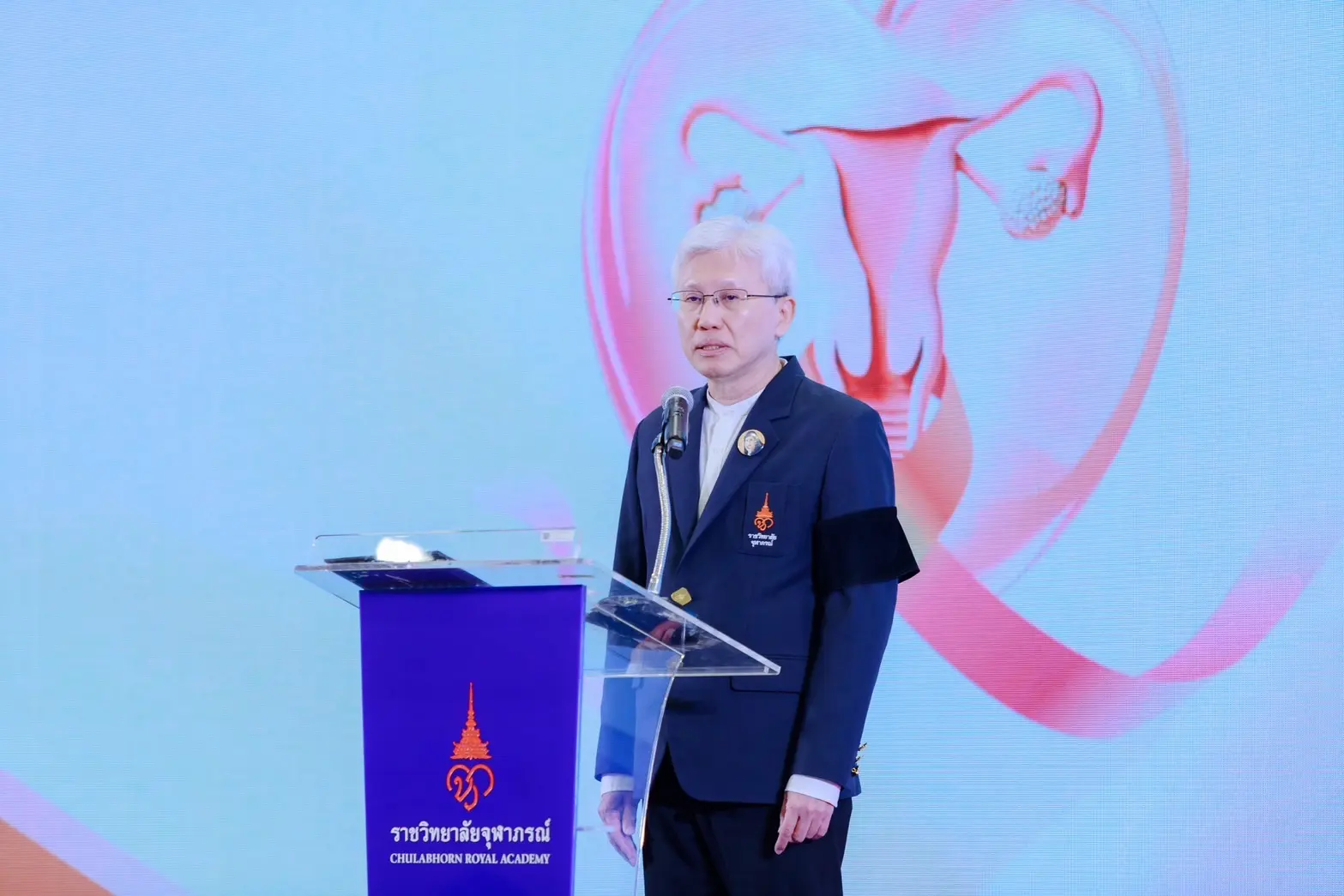
Assoc. Prof. Surasak Leelaudomlipi M.D., Acting Director of Chulabhorn Hospital, highlighted that uterine cancer remains a critical public health issue with a rising incidence rate. Recognizing the urgency of addressing this silent threat, Chulabhorn Hospital established the Uterine Cancer Center of Excellence with a primary goal: “To elevate standards of comprehensive patient care by combining expertise, advanced technology, and multidisciplinary care to ensure every patient receives optimal, safe treatment and the best possible quality of life.” This mission honors the royal vision of Professor Dr. Her Royal Highness Princess Chulabhorn Krom Phra Srisavangavadhana, Founder and President of the Chulabhorn Royal Academy, who established Chulabhorn Hospital to relieve cancer patients’ suffering, raise cancer care standards to international levels, train medical specialists, and advance medical research and modern technologies.
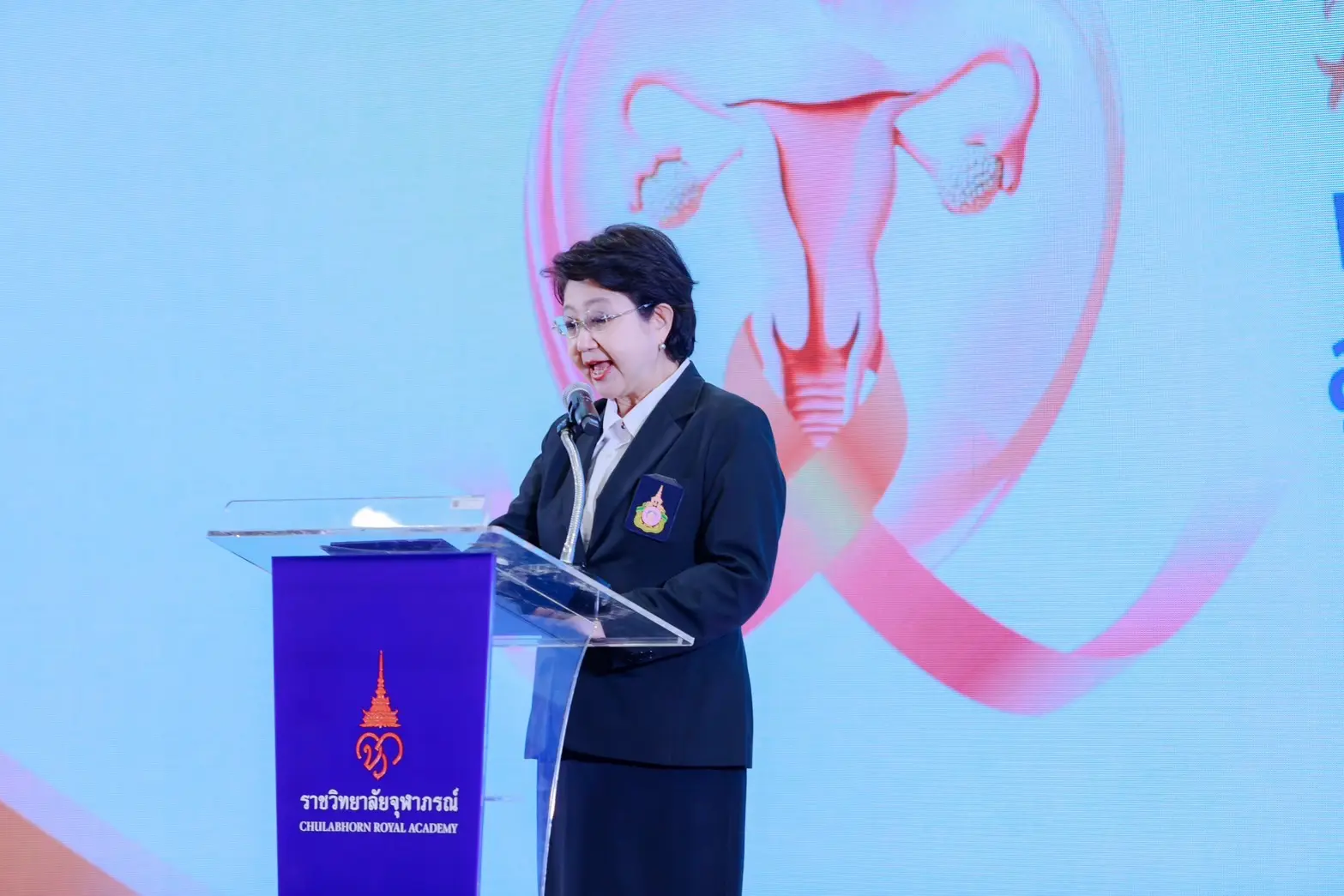
Prof. Emeritus Sarikapan Wilailak M.D., President of RTCOG, expressed the college’s commitment to the campaign: “A woman’s uterus is like a beautiful, delicate ‘peach’ that sometimes requires special care. Peach Power represents the power of taking proactive care. RTCOG strongly encourages Thai women to ‘listen to warning signs from their uterus’ and never ignore abnormal bleeding. Mitigating risk factors and stopping uterine cancer in its earliest stages significantly increases the chance of a complete cure.”
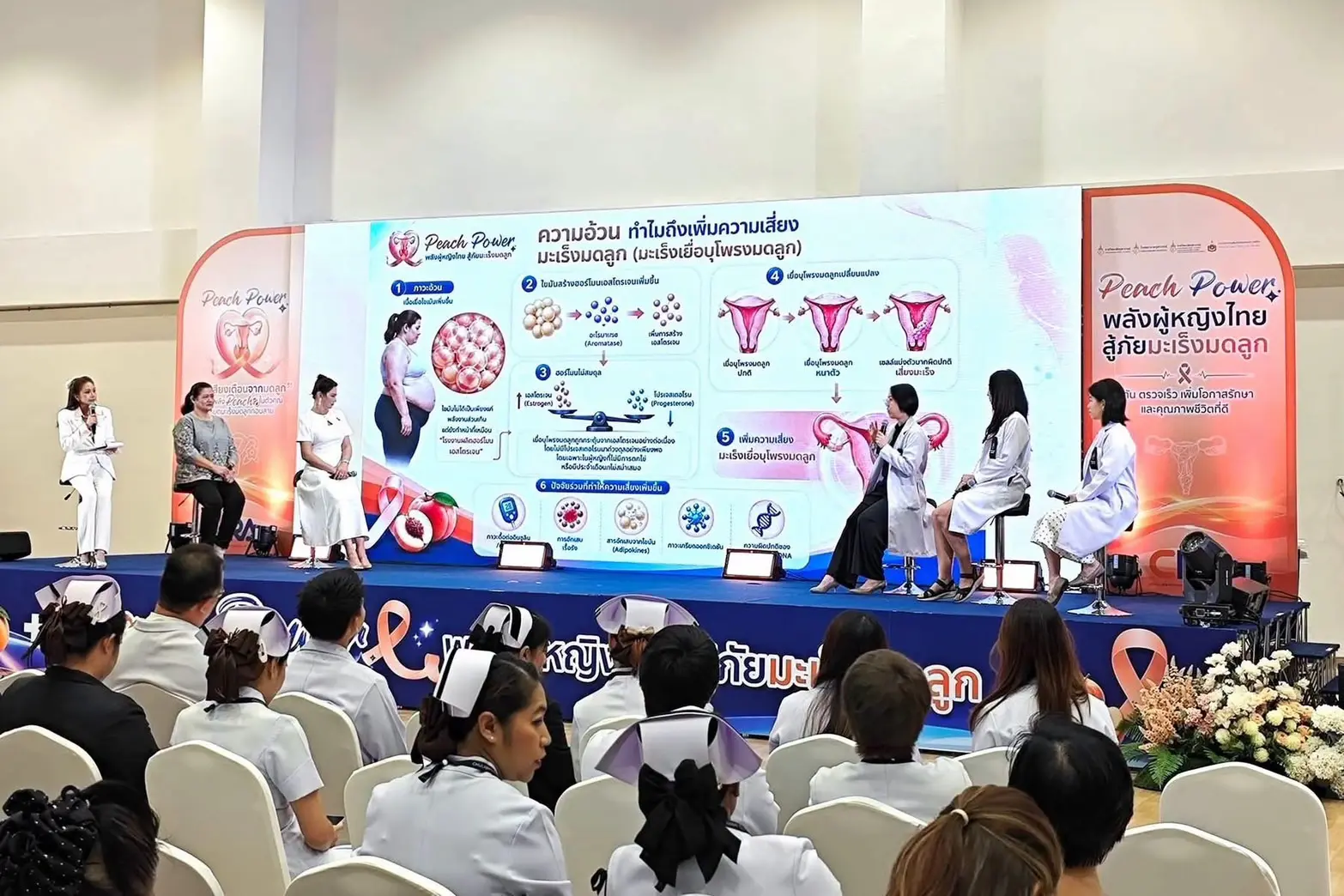
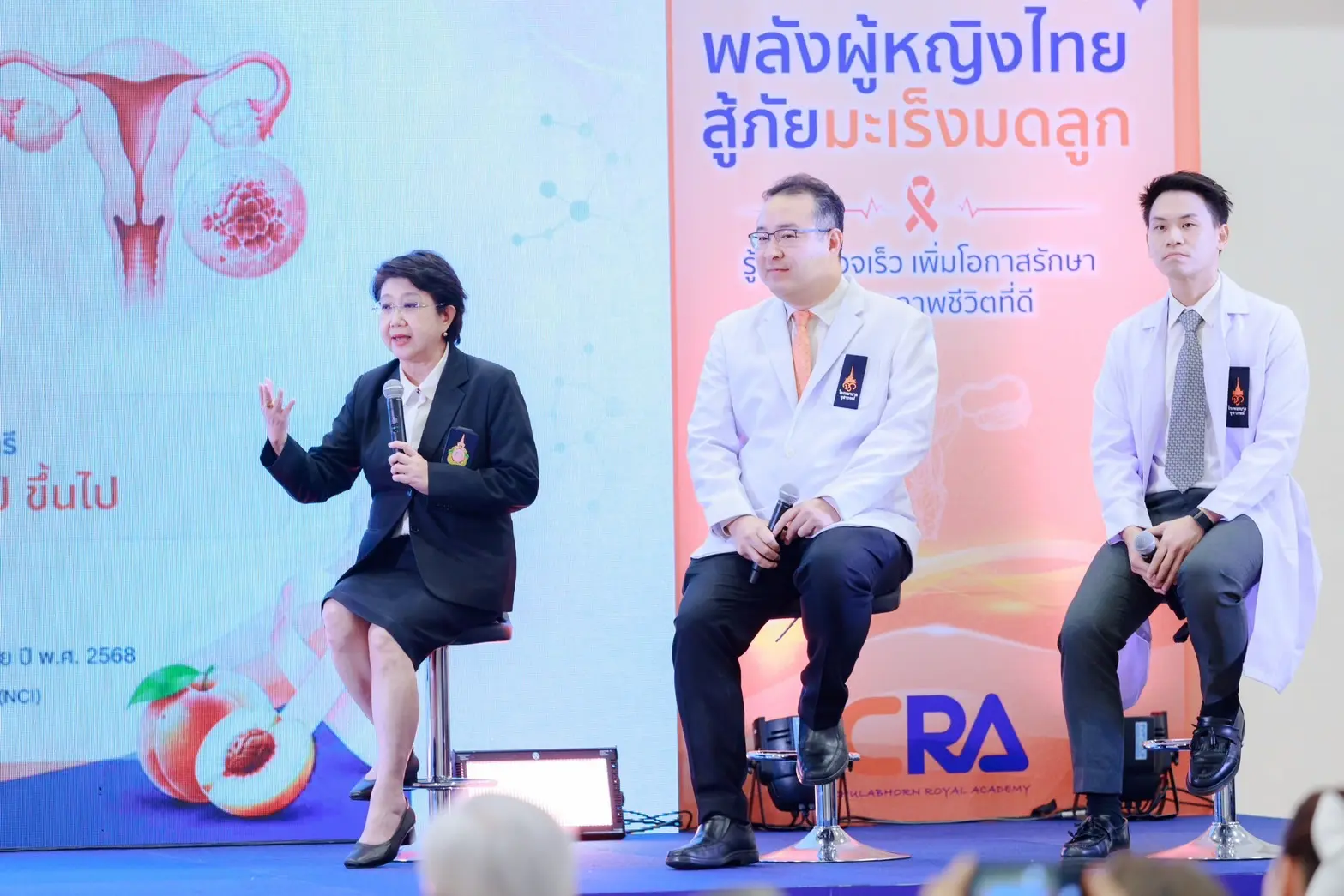
Key Highlights from the Panel Discussions
Panel 1: “Peach Power: Uterine Cancer Awareness Talk – Early Detection, Better Treatment Outcomes, Advanced Innovation for Thai Women”
- National Statistics: According to National Cancer Institute data for 2025, Thailand reported 3,357 new cases of endometrial cancer (an incidence rate of 6.1 per 100,000 women), making it the 2nd most common gynecological cancer in Thailand after cervical cancer. Rates are steadily increasing due to changing lifestyles. Although there is no routine screening for the general public, it offers a distinct advantage: early warning signs are usually noticeable. When detected early, the 5-year survival rate exceeds 90%.
- Types & High-Risk Groups: Asst. Prof. Nuttavut Kantathavorn M.D. explained that uterine cancers comprise two main types: Endometrial Cancer (accounting for ~95% of cases) and Uterine Sarcoma (~5% of cases, arising from muscle tissue with different progression and treatment pathways). Generally, “uterine cancer” refers to endometrial cancer. High-risk groups include postmenopausal women experiencing bleeding, individuals with obesity, polycystic ovary syndrome (PCOS), a family history of uterine or colorectal cancer, and Lynch syndrome. The core warning slogan is: “Abnormal Bleeding? Don’t Ignore It!”
- Advanced Medical Innovations: Ruai Kittikhun M.D.showcased cutting-edge diagnostic and surgical solutions at Chulabhorn Hospital, including:
- Office Hysteroscopy: Outpatient diagnostic endoscopic visualization and biopsy without general anesthesia, causing minimal discomfort.
- Minimally Invasive Surgery: Laparoscopic Surgery and Robotic-Assisted Surgery for smaller incisions and faster recovery.
- Sentinel Lymph Node (SLN) Mapping: A precise technique targeting the primary drainage lymph node instead of full dissection in eligible early-stage cases, minimizing post-surgical complications like lymphedema (leg swelling) and preserving quality of life.

Panel 2: “Lifestyle & Inspiration Talk: When ‘Obesity’ Invites Cancer – Reclaiming Health Through Nutrition”
- Obesity & Hormonal Imbalance: Thanita Wechcho M.D. explained that excess fat cells act like factories producing surplus estrogen, stimulating abnormal thickening of the endometrial lining which can develop into cancer—especially in women with irregular ovulation. Obesity also correlates with insulin resistance, diabetes, and chronic inflammation.
- Genetics (Lynch Syndrome): Hathaiyapat Sukchareingporn M.D. shared insights on Lynch syndrome, a genetic DNA repair disorder that increases susceptibility to colorectal, endometrial, and ovarian cancers. Genetic counseling and testing are recommended for families with early-onset or multiple cancer histories.
- Nutrition as Medicine: Watanya Kuvawatananont M.D. emphasized that losing just 5–10% of body weight significantly reduces hormone fluctuations and systemic inflammation. Recommendations include cutting refined carbs and sugars, favoring whole foods, and consuming cruciferous vegetables to help balance estrogen naturally.
- Inspiration: Celebrity guest Ms. Panadda Wongphudee joined in inspiring women to overcome social hesitation or embarrassment, adopt healthier habits, and prioritize routine gynecological check-ups.

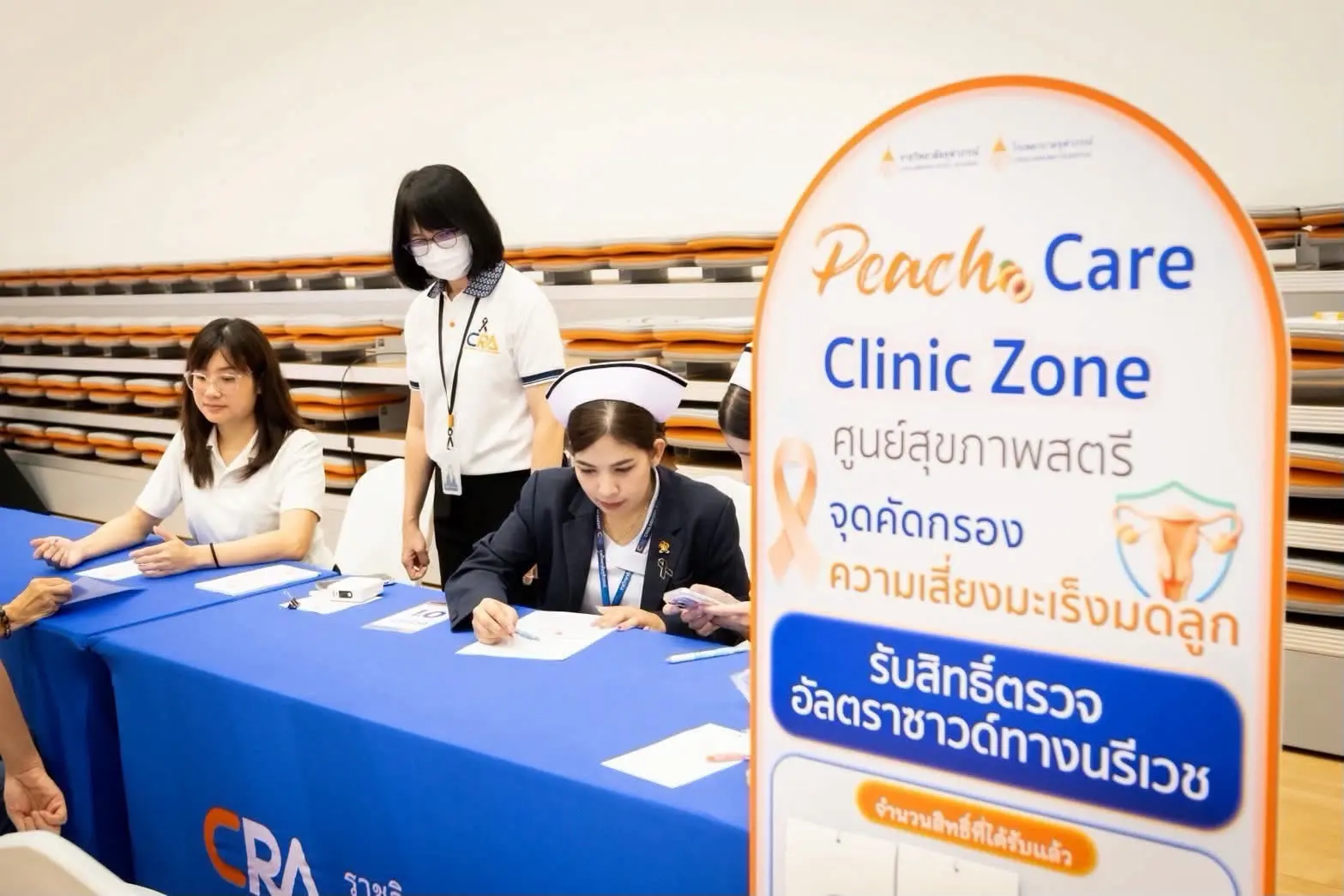
During the event, Chulabhorn Hospital, Chulabhorn Royal Academy provided free pelvic ultrasound screenings for high-risk women at the Women’s Health (2nd Floor), along with the “Peach Care” medical innovation showcase, health/nutrition consultations, and the “Voice of Peach Power” interactive campaign. For consultations or appointments, please contact the Women’s Health Center, 2nd Floor, Krom Phra Srisavangavadhana Building, Chulabhorn Hospital, Tel.1118 ext. 5266. Stay updated via LINE OA: @chulabhornhospital, the hospital’s Facebook page, or the “CHULABHORN HEALTH PLUS” application. For further updates and information from Chulabhorn Royal Academy, please visit www.cra.ac.th